Cistercian Monastery of our Lady of Sobrado

Along the Camino del Norte sits the Cistercian Monastery of our Lady of Sobrado which dates to the 10th Century.

The origins of the pilgrimage, historical monuments, legends of St. James, and pilgrim traditions.
Along the Camino del Norte sits the Cistercian Monastery of our Lady of Sobrado which dates to the 10th Century.

Castillo de Mota del Marqués is along the Via de la Plata, or the Silver route, which is the longest Camino de Santiago in Spain.

Learn about the Spanish traditions and foods eaten during the famous celebration of Carnival in Santiago de Compostela.
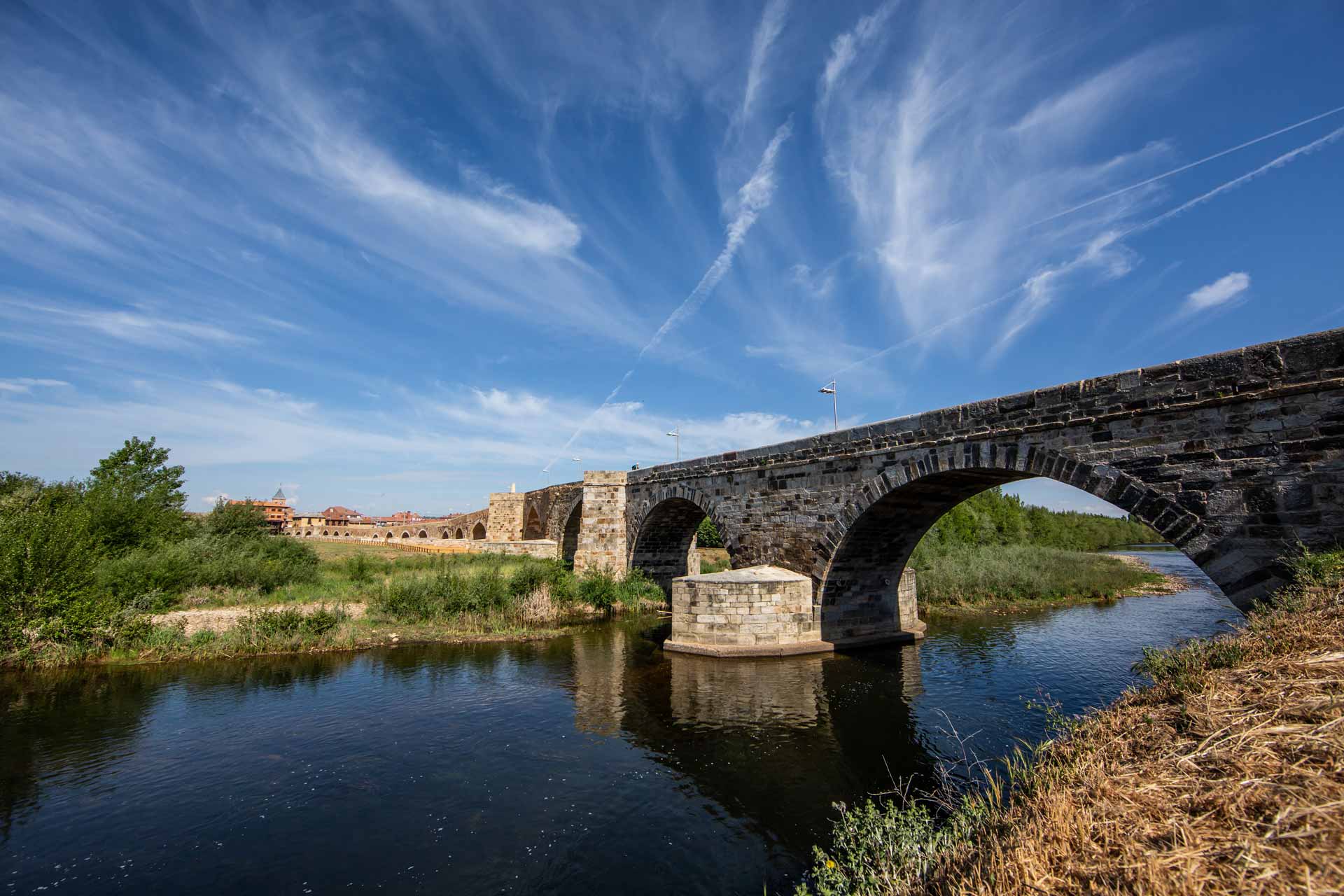
The town Puente la Reina which translates to Bridge of the Queen is home to a 11th Century bridge and sits along the French Way of the Camino de Santiago, just west of Pamplona.
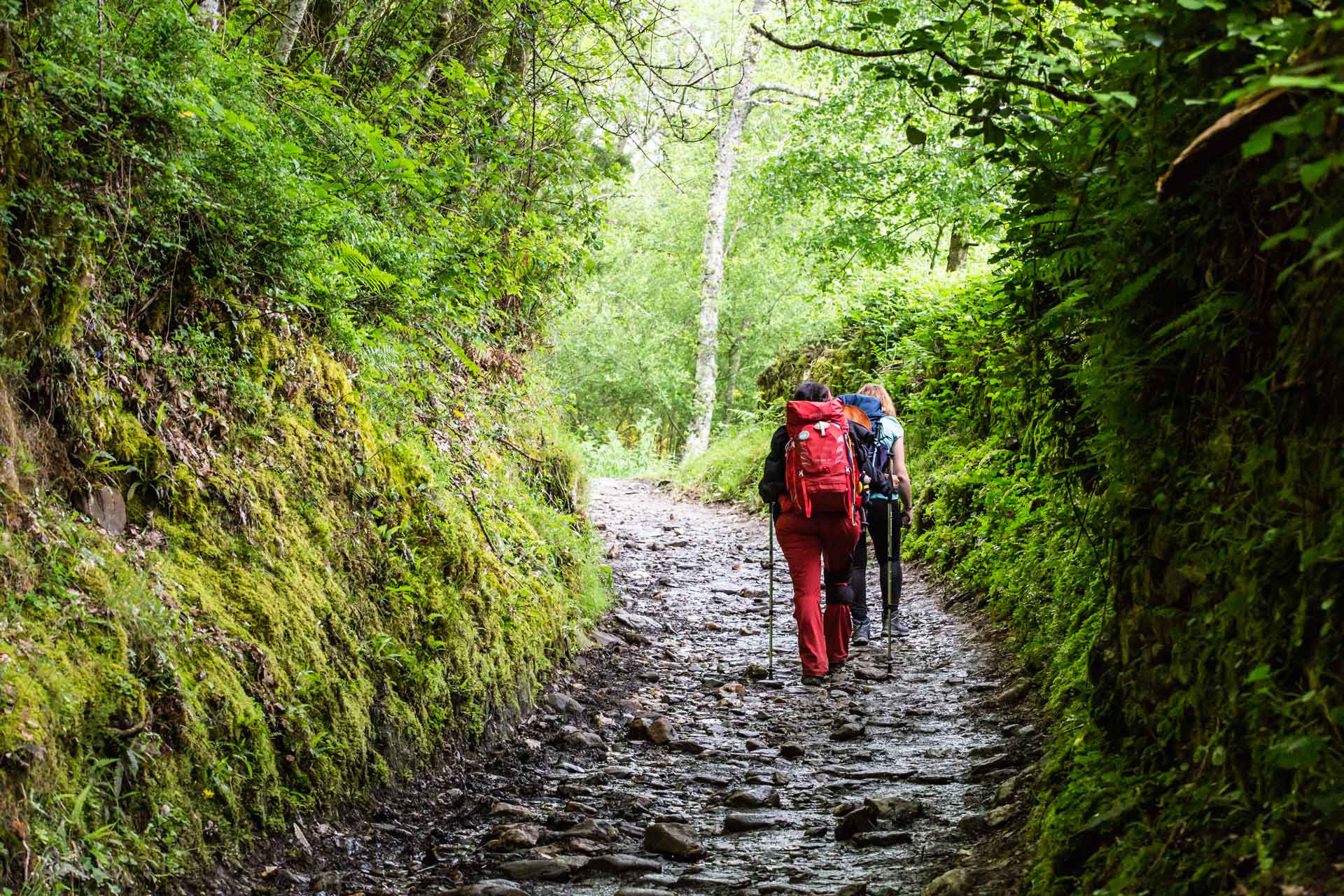
Pilgrims walking the Camino de Santiago are warned of the legends of the Santa Compana and the story of the lost souls.

Castillo Templario de Ponferrada, or Castle of the Knights Templar, is a castle-fortress built by the Knights Templar and is in the town of Ponferrada along the Camino de Santiago.
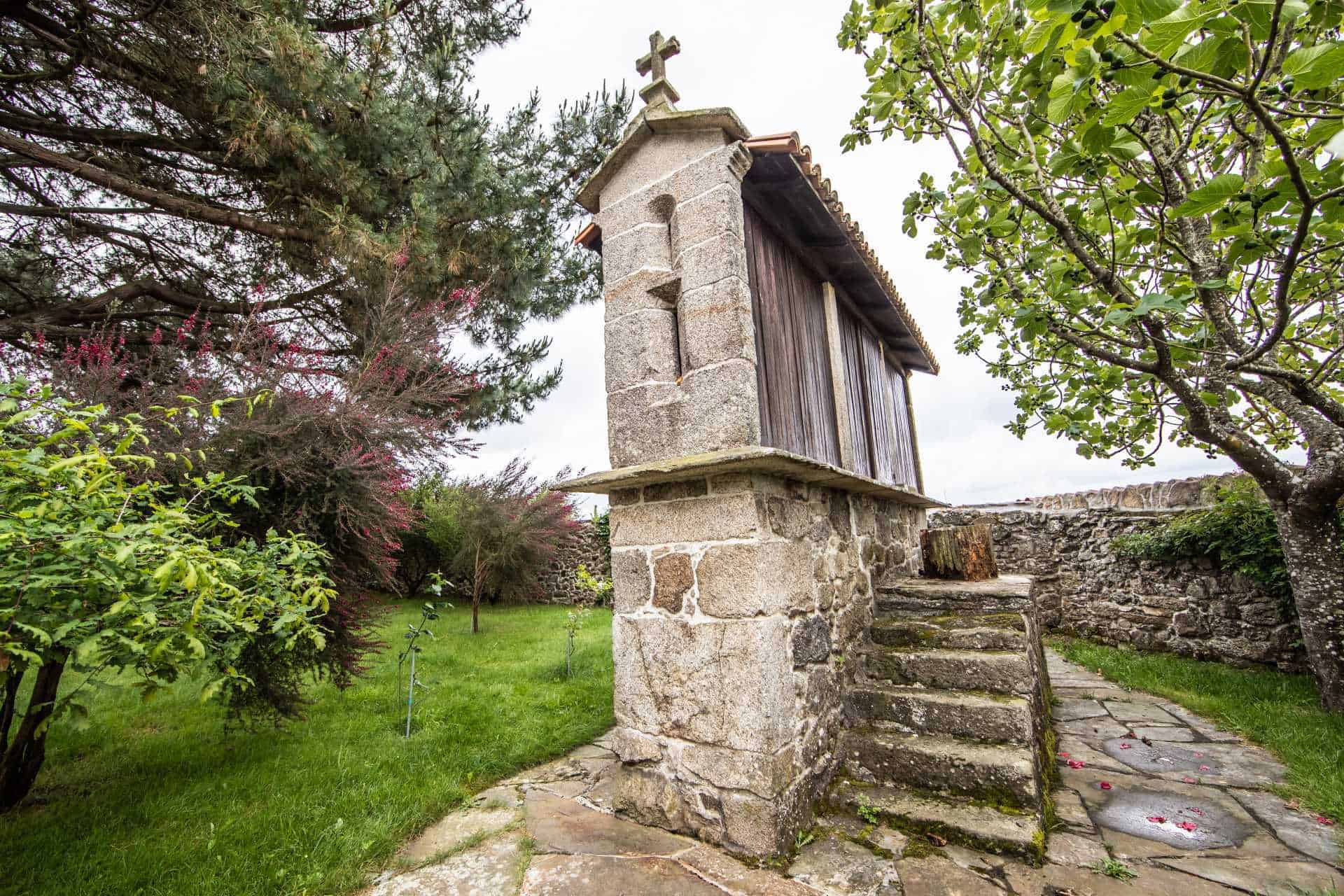
These buildings are considered the unofficial symbol of Galicia and date back to the 15th Century. Learn about them and how to pronounce it?

The Royal Monastery of San Pelayo de Antealtares (Mosteiro de San Paio de Antealtares in Galician) is a Spanish convent of Benedictine nuns.

In the small park in Santiago de Compostela, you will be greeted by a statue of two ladies – the Two Marias. Read about their history and freedom fighting.
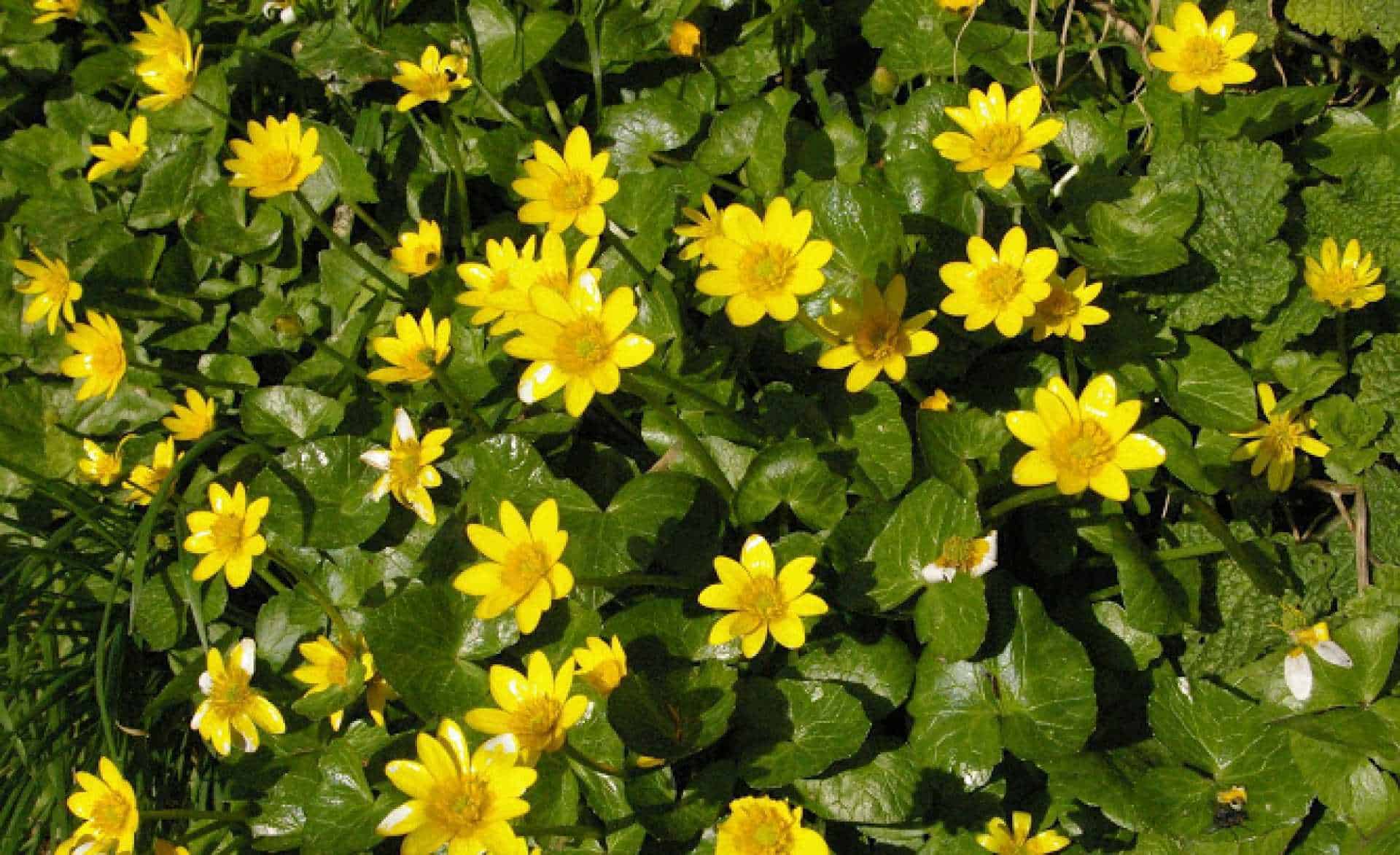
If you walk the Camino de Santiago in Spring you will see the hills of Galicia scattered with small yellow flowers with herbal remedies – Lesser Celandine.

Learn about Portomarin – a beautiful small town located in the Spanish province of Lugo along the Camino Frances.